
Do. Or do not. There is no try.
— Yoda
As much as I love Star Wars, this has to be some of the worst life advice given, ever.
And that is because sometimes in our lives and our work, we know what we have to do… but we have an irrational fear of doing it. At those times we need to channel our virtues of boldness and courage and just try.
And there is nothing wrong with trying.
If we simply live in the dichotomy of doing or not doing, that paralyses us and stops us from overcoming our fears and trying.
When you hear of boldness and courage you may think of action movies, epic legends and facing down mythical beasts.
But boldness and courage are more about everyday heroism, about simply trying, even if we don’t have full conviction in ourselves yet.
It’s about making the simple business decision to delegate things and trust others to follow through on them. It’s about having a go and just asking for what you want.
Table of Contents
Open Table of Contents
What Is Boldness and What Is Courage?
Boldness is the willingness to take risks. It is acting with courage.
Courage is feeling the fear and doing it anyway.1
Both are considered virtues.
Different cultures have different descriptions of boldness and courage.
In Australia, we like to say “have a go”, which means to try.
In general English usage, the word “trying” often has negative connotations, but it does capture the idea.
Two particular metaphors I have come across and like are:
- Taking the shot.
- Flipping stones or turning stones.
Taking the shot comes from sports, and is most commonly heard in basketball — you miss 100% of the shots you don’t take, so take the shot.
Flipping stones or turning stones is supposedly Greek in origin, and comes from the saying “leave no stone unturned”.
Both mean the same thing:
In a given situation, just try. The outcome doesn’t matter, and trying is more important.
Why Are Boldness and Courage Important?
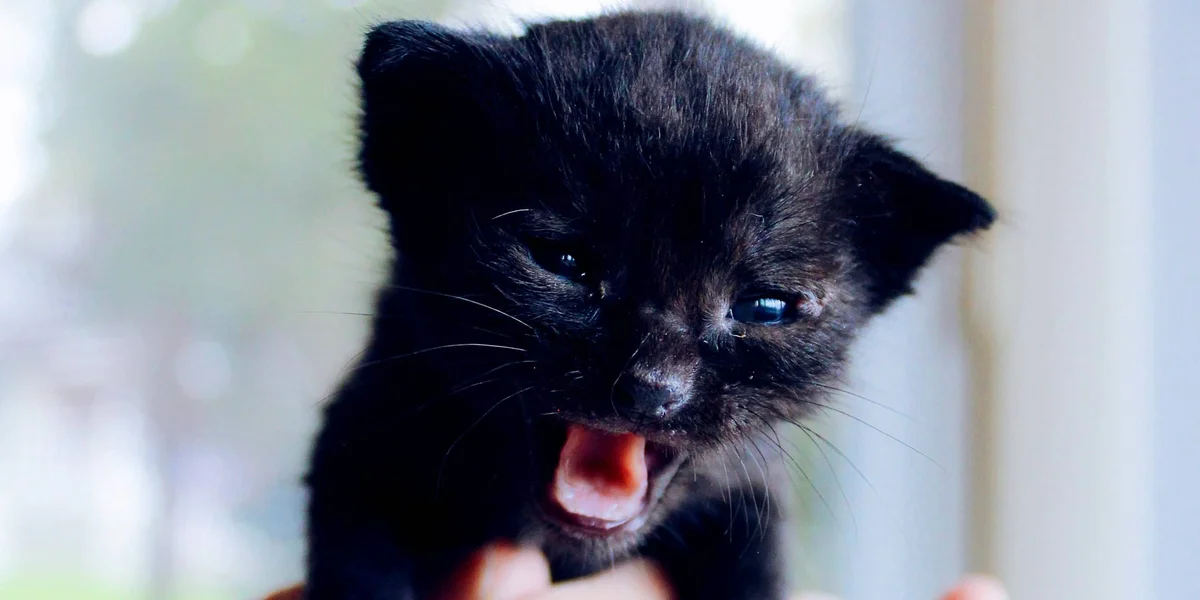
Boldness and courage are important because you miss 100% of the shots that you don’t take.
When you try, you will receive some sort of feedback.
If you don’t try, there is no feedback and nothing changes.
Some people object to this on the basis of risk or impropriety.
But it is often easier to ask for forgiveness than for permission.
And for most of the everyday shots that we can apply a bit of courage to and take, the risks are inconsequential.
Best case you make the shot — and get what you wanted.
Worst case you miss — which is often the same as not having taken it anyway.
What Do Boldness and Courage Look Like Daily?
You can take any area of life and apply boldness and courage to it.
In business, courage could be making that sales call, asking for that raise, or delegating something and trusting the other person to see it through.
In your personal life it could be pushing that last set in the gym, asking that person out or standing up for yourself and being assertive.
At the end of each day you simply need to ask yourself:
Did I act with courage or boldness today?
Did I take the shot?
A System for Boldness and Courage
Boldness and courage are virtues and in the realm of our inner game.
This is because the physical actions are usually not the problem when facing down our fears — it’s our mental game that holds us back.
It is absolutely possible to build layer upon layer of rationalisation for overcoming fears and exercising boldness and courage.
But instead of a complex system, I have found the two aforementioned metaphors to be better.
1. Taking the shot

Taking the shot comes from sports.
In basketball, football or any similar sport, when it’s the right time, you try to score.
It doesn’t really matter if you miss or score — you tried.
And if you hadn’t tried, you would not have scored anyway.
2. Flipping stones

Imagine yourself walking around on a nature trail, and you come across a creek.
Along the creek-bed are stones.
And as you walk, you flip each of them over.
Small, big, smooth, rough, it doesn’t matter. If there’s a stone, you flip it.
It’s a fun, easy, childlike form of play that you can do.
You simply flip each stone over, see if what’s underneath is good for you, and if you want, take it home.2
If not, you just leave it and keep walking.
I like this metaphor for boldness and courage because it is extremely neutral. This short-circuits any fear or excuses in the brain and helps us handle our emotions.
Process Orientation
You may see a parallel between boldness and courage and process orientation and yes, they are the same thing.
If we focus solely on the outcome, we become “outcome oriented”, which usually leads to frustration.
Boldness and courage define success as the act of trying, of performing the process. The outcome is a bonus.
Calibrated Courage
In the beginning we have to take lots of shots, often wildly.
The reason for this is so we can get used to beating back our fears and acting with courage.
But over time, our shots become more calibrated and our probability of scoring goes up.
Meaning that even though we remain focused on the process, we will achieve our outcomes more often.
Sports is the best example of this.
A novice player can shoot a lot, but an experienced player has developed skill (through shooting a lot) and will score more for the same number of shots taken.
Degrees of Boldness and Risk
A common objection to the virtues of courage and boldness is the risk that they entail.
Often these objections come from people who are happy to take wild risks and shots, but won’t do so in a low-risk common-sense environment.
It’s not so much whether you will take risks or not, it’s about how you handle risks in general.
Taking the shot is only risky if you decide to make it so.
What To Do Next
Take the shot.
Flip that stone.
Feel the fear, and do it anyway.
Photos by D A V I D S O N L U N A, The Lucky Neko, Tim Mossholder.